
Materials & Hardware
10-Point Checklist for Selecting Bag Hardware Components
This guide provides a practical audit checklist for evaluating bag hardware. It covers material composition, surface finish, dimensional fit, load testing, and supplier
Practical specifications and factory guidance for professional bag buyers.
This site covers the operational details of producing bags and luggage. It addresses the choices that determine output: materials, hardware, construction methods, quality checks, and factory capabilities. The content is organized for buyers who need to compare options before placing orders.
The sections follow the sourcing process. They cover product categories, material selection, manufacturing standards, testing, cost structures, and factory evaluation. Each entry focuses on the variables that affect quality, cost, and lead time, helping buyers make informed decisions with suppliers.
Start with the stage of the sourcing process you are in.
Design, materials, and production methods for backpacks and travel bags.
Construction techniques and hardware choices for handbags and small accessories.
Guides on fabrics, zippers, buckles, and other components used in bags.
Stitching methods, quality control checks, and assembly standards for bag makers.
Overview of common testing methods and regulatory requirements for bag products.
Practical insights into pricing structures and minimum order quantities in bag manufacturing.
How to evaluate factories, verify capabilities, and select reliable bag production partners.
This guide provides a practical audit checklist for evaluating bag hardware. It covers material composition, surface finish, dimensional fit, load testing, and supplier
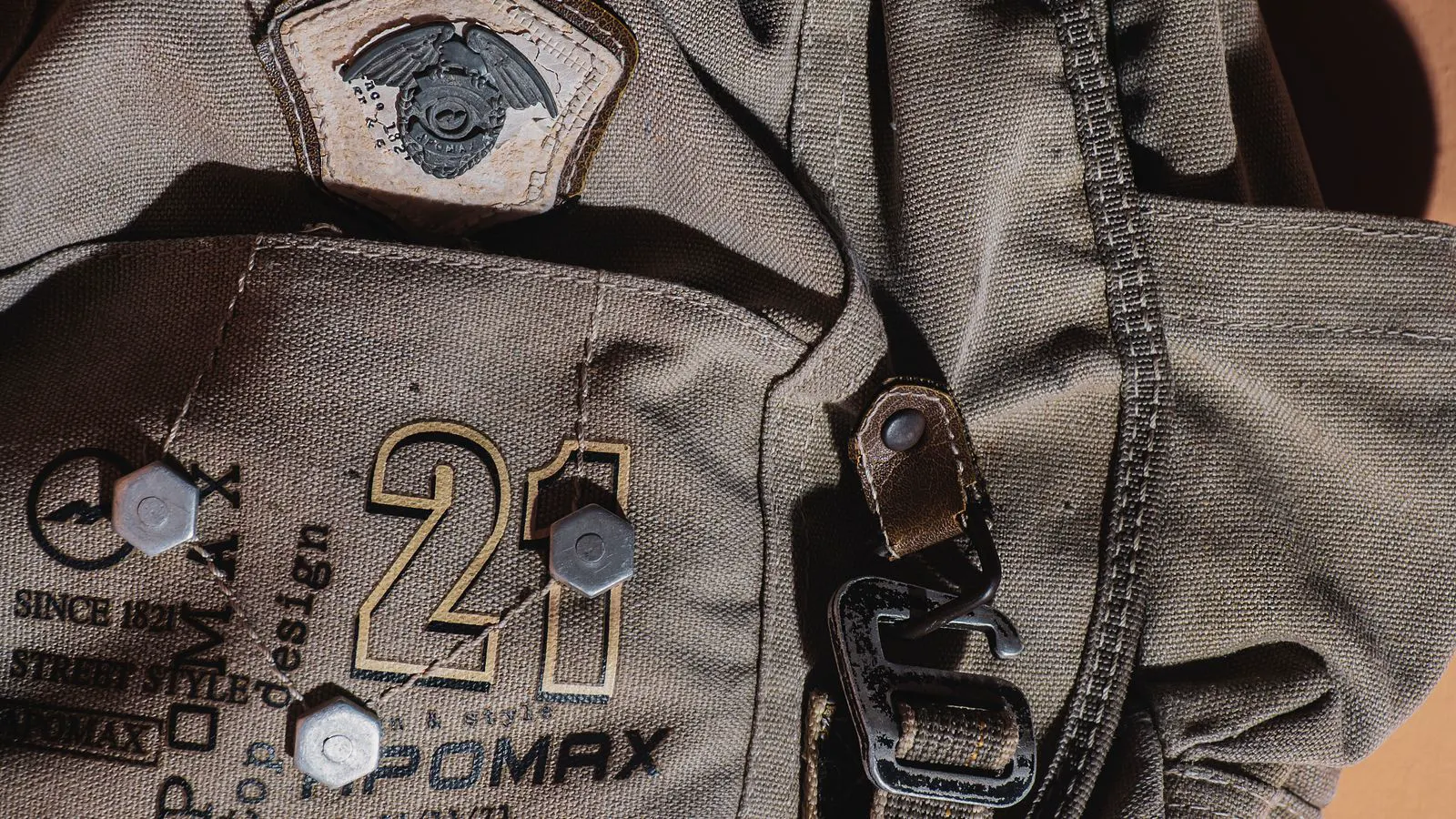
Grommet types define strap durability. Brass resists corrosion, aluminum saves weight, and nylon offers flexibility. Size and finish control stress distribution.
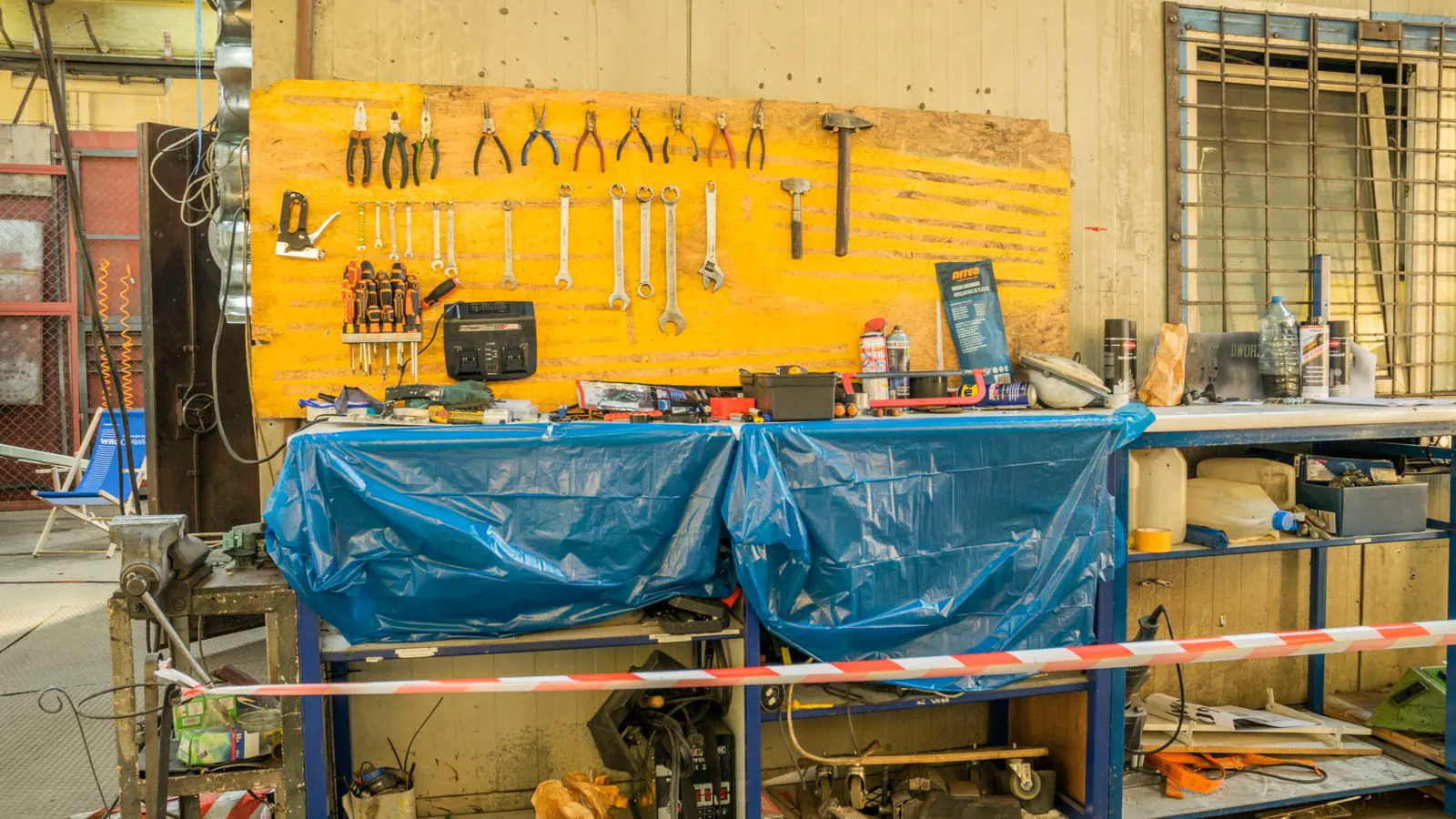
Zipper misalignment in soft-sided luggage usually comes from uneven fabric tension, incorrect tape attachment, or improper channel depth. Correct it by checking track

Handbag lining choices balance cost against durability. Natural leathers offer premium feel but higher expense. Synthetics and canvases reduce cost with variable

Adjusting a bag MOQ changes factory pricing by altering material, labor, and setup costs. Lowering the quantity usually raises the unit price, while higher orders

PVC coated fabrics are tougher and handle abrasion better, while PU coated fabrics offer lighter weight and flexibility. Buyers select based on luggage type, expected

Upcoming bag safety standards require earlier supplier engagement, standardized test documentation, and stronger traceability. Buyers must align product development with

Flatlock stitch distributes load across multiple threads for flexibility, while bar tack creates a dense, high-strength anchor for fixed points. Choosing between them
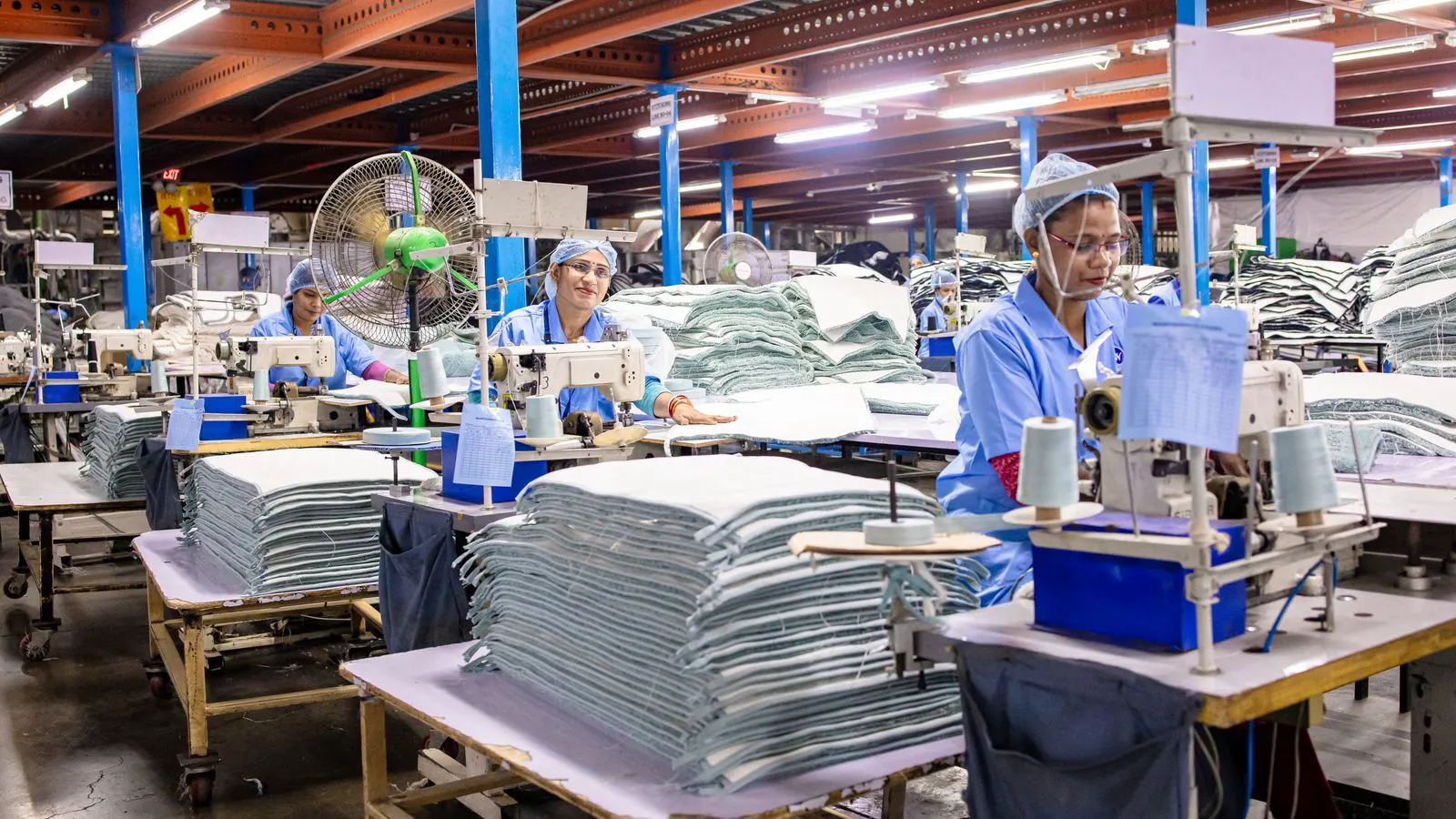
Backpack manufacturing is shifting toward flexible small batches, material traceability, and automation. Buyers should prepare by diversifying suppliers, auditing
Typical checks include dimensional inspection, stitching strength testing, hardware function, and color fastness. Many buyers require sample approval before bulk production and random sampling during final inspection.
Request production schedules, capacity reports, and references from existing clients. Visits or third-party audits help confirm tooling, labor, and workflow. Check for documented quality control stations and on-site testing equipment.
Polyester, nylon, and PVC are standard for outer shells. Foam padding, zippers, wheels, and metal hardware form the core components. Material selection depends on weight, durability, and intended use.
Lower minimum order quantities usually increase per-unit cost. Lead time is affected by material sourcing, tooling, and production slots. Negotiating longer lead times can lower costs by allowing better planning.
Common documents include material safety data sheets, test reports for flammability or chemical content, and country-specific import certifications. Requirements vary by destination market and product type.
Use a standardized scorecard covering price, quality, lead time, and communication. Request samples for every candidate. Review their response to technical questions and past project experience.