PVC coated fabrics are tougher and handle abrasion better, while PU coated fabrics offer lighter weight and flexibility. Buyers select based on luggage type, expected lifespan, and environmental requirements.
- PVC coated fabrics provide higher abrasion resistance and chemical stability for heavy duty luggage.
- PU coated fabrics offer lighter weight, better flexibility, and easier color matching for premium soft goods.
- Buyer specifications should define coating weight, fabric base, and environmental compliance before requesting samples.
- Testing protocols must cover water resistance, seam strength, and aging performance under realistic conditions.
- Sourcing decisions often hinge on the balance between initial material cost and long term maintenance.
What PVC and PU coated fabrics actually are
Luggage manufacturers use coated fabrics to create a barrier against water, dirt, and physical wear. The base fabric is usually a polyester or nylon weave. A layer of polymer is applied to one or both sides. This layer is the coating. It provides the waterproofing function and adds surface strength.
PVC stands for polyvinyl chloride. PU stands for polyurethane. Both act as protective skins over the textile. The difference lies in the polymer chemistry and the manufacturing process. PVC coating is often thicker and more rigid. PU coating is typically thinner and more elastic. This distinction drives nearly every decision in sourcing, production, and end product design.
How performance characteristics differ
The primary performance gap between the two materials is flexibility versus rigidity. A PVC coated fabric can feel stiff when new. It holds its shape well. This is useful for structured bags where the material needs to support weight without sagging. PU coated fabrics bend more easily. They drape better. This suits soft suitcases and travel bags that need to compress into trunks or overhead bins.
Abrasion resistance is another key factor. PVC generally resists surface scuffing better than PU. If a bag will rub against hard surfaces, carry heavy loads, or be used in commercial transport, PVC often outperforms. PU can wear at stress points if the coating is too thin. However, modern PU formulations can match PVC in durability if the coating weight is increased.
Water resistance is high for both. The coating blocks liquid penetration. The real question is how the coating handles seams and stitching. Neither material is waterproof on its own. Seams require taping or welding. PVC seams are often welded with heat. PU seams may require adhesives or specific welding techniques. The choice of coating affects the assembly line setup and the final seam integrity.
Environmental and processing considerations
The environmental profile of the two materials differs significantly. PVC production involves chlorine-based chemistry. Disposal and recycling are more complex. Many regions have tightened regulations on PVC waste. PU is derived from petrochemicals but has a different chemical structure. PU coatings are generally considered more recyclable than PVC, though recycling infrastructure remains limited for both.
Processing also varies. PVC coating often requires a calendering process where the fabric is passed through rollers to apply the plastic layer. This can create a uniform thickness but may trap air if not controlled. PU coating is frequently applied via dip coating or slitting. The fabric is dipped into a liquid polymer solution. This method can produce a smoother finish but requires precise control over drying times.
Buyers should ask suppliers about the specific coating process. A dip coated PU fabric may behave differently from a calendered PU fabric. The process affects how the coating adheres to the base weave. Poor adhesion leads to peeling during use. A simple pull test or peel test during sample approval catches these issues early.
Cost structure and sourcing trade-offs
Cost is a major factor in fabric selection. The material price is only one part of the equation. Processing costs, minimum order quantities, and lead times also matter. PVC coated fabrics are often available in larger standard rolls. This can reduce per unit cost for high volume runs. PU coated fabrics may command a higher price due to more complex processing or specialty formulations.
However, cost is not just about the fabric. It includes assembly. PVC requires heavier equipment for welding. PU may need adhesives or different sealing methods. If the factory already has the equipment for one type, the effective cost difference shrinks. Conversely, if a factory switches between both, there are changeover costs and potential quality risks.
Sourcing decisions should consider the total cost of ownership. A cheaper fabric that fails early is a bad investment. A more expensive fabric that lasts longer may be cheaper over the life of the product. Buyers should request samples from multiple suppliers. Test them under the same conditions. Compare the results before finalizing a vendor.
Worked example: A soft travel bag specification
Consider a manufacturer designing a lightweight soft travel bag. The bag will hold up to twenty kilograms. It will be used in commercial air travel and checked baggage. The customer wants a waterproof exterior and a fabric that feels premium to the touch.
The buyer starts by defining the base fabric. A polyester twill is selected for its strength and ease of cleaning. The buyer then chooses between PVC and PU coating. For a soft bag, rigidity is a negative. The customer wants the bag to fold easily. A thick PVC coating would make the bag stiff and difficult to pack. A PU coating is selected for its flexibility.
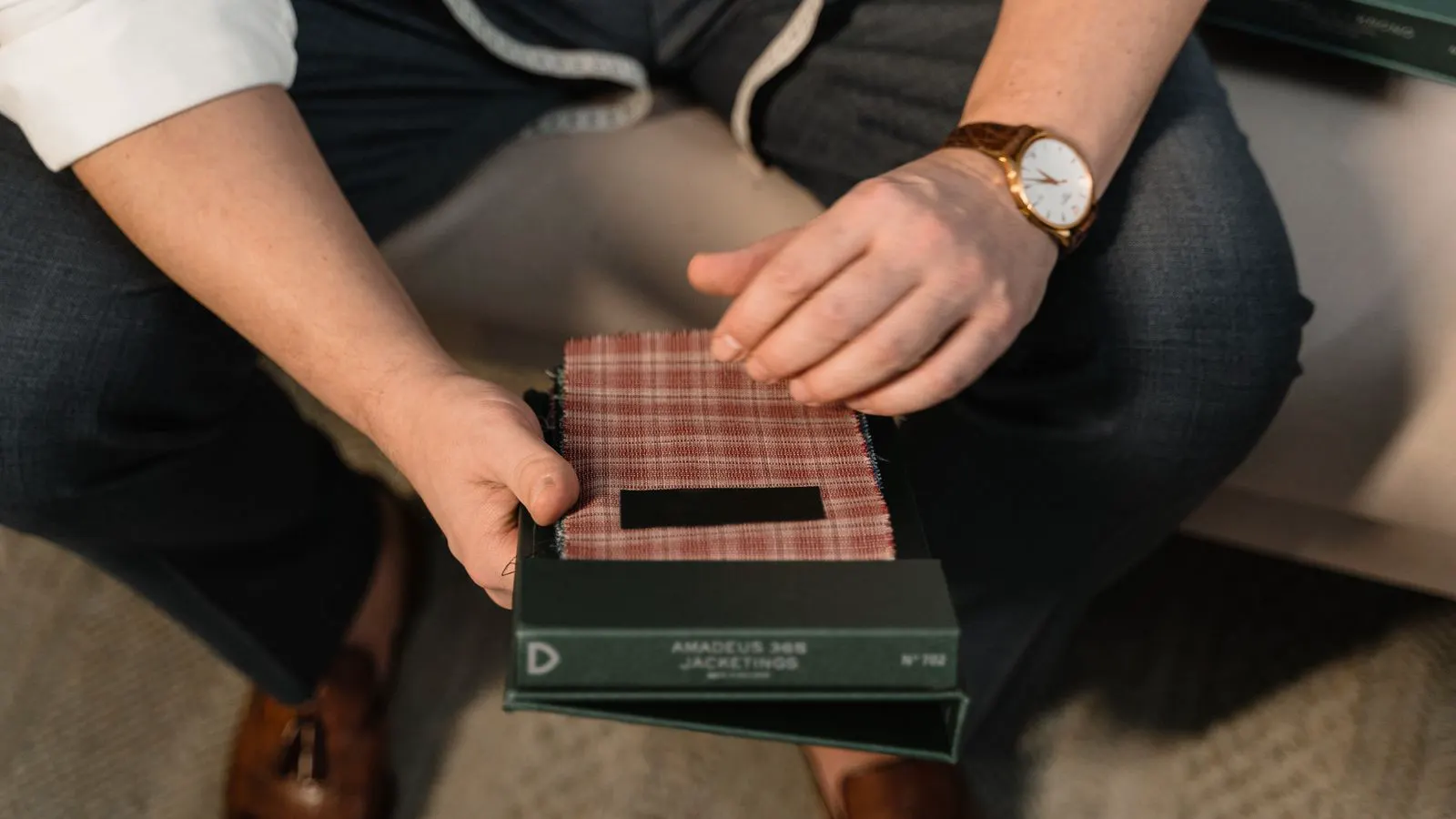
The buyer specifies a coating weight. A medium weight PU is chosen to balance flexibility with durability. The supplier provides two sample swatches. One has a matte finish. The other has a glossy finish. The matte finish is selected because it hides scratches better.
The next step is assembly. The factory uses a PU compatible adhesive for the seams. The bag is sewn and then sealed at the stress points. The buyer inspects the samples. The fabric drapes well. It resists water during a spray test. The seams hold under tension. The bag is approved for production.
If the product had been a heavy duty duffel bag for outdoor use, the decision might have been different. The duffel would sit on the ground. It would rub against rocks and concrete. A PVC coating would have been preferred for its abrasion resistance. The rigidity would help the bag keep its shape. The buyer would also check the environmental compliance of the PVC supplier.
Testing and quality control
Quality control is where the true differences become visible. A fabric may look good in a sample but fail in the field. Testing protocols should cover multiple aspects.
Water resistance testing involves spraying water on the fabric and the seams. The fabric should not wick water through. The seams must not leak. A simple visual check is not enough. The fabric should be held up to light to check for transparency of the coating.
Abrasion testing uses a standardized method where a pad rubs against the fabric surface. The number of cycles required to cause visible wear is recorded. PVC usually shows higher cycle counts than PU. The buyer must set a minimum standard based on the expected use case.
Aging tests expose the fabric to heat, humidity, and light. UV exposure can cause PVC to become brittle. UV stabilizers can help, but they must be specified. PU can yellow over time. A color fastness test checks how well the dye holds up. A poor color fastness test leads to customer complaints about faded bags.
Pull tests check the strength of the coating bond. The fabric is pulled until the coating tears or peels. The force required is measured. If the force is low, the coating will fail during normal use. This test is critical for coated fabrics. It catches manufacturing defects that visual inspection might miss.
Choosing the right fabric for your product
The final choice depends on the product requirements. There is no universal winner. PVC is better for rigid, heavy duty, or chemical resistant applications. PU is better for flexible, lightweight, or premium feel applications.
Buyers should create a clear specification sheet. It should list the base fabric type, the coating material, the coating weight, and the finish. It should also specify the environmental standards and the testing requirements. This document helps suppliers understand exactly what is needed. It reduces the chance of receiving a wrong sample.
When sourcing, ask suppliers about their experience. Have they supplied luggage before? What is their typical lead time? What are their minimum order quantities? These practical questions matter as much as the technical specs. A supplier who understands the industry will provide better samples and faster responses.
The market for coated fabrics is competitive. Prices fluctuate with raw material costs. It is wise to keep multiple suppliers on file. This ensures continuity if one supplier faces production issues. It also allows for better negotiation terms.
Common mistakes in fabric selection
Buyers often make mistakes that lead to product failures. One common mistake is choosing the fabric based only on cost. The cheapest option may not withstand the expected use. Another mistake is ignoring the seam construction. A good fabric with poor seams will leak.
A third mistake is not testing the fabric under real conditions. A fabric that passes a simple water test may fail when exposed to rain, sweat, or humidity. A fourth mistake is not considering the environmental impact. If the target market has strict regulations, a non compliant fabric will cause delays.
Finally, buyers should not assume that a new fabric is better than an old one. Sometimes a proven, standard fabric is the best choice. New materials may offer improvements, but they may also introduce new risks. Test thoroughly before committing to a new fabric.
Final thoughts
Selecting between PVC and PU coated fabrics is a technical decision. It affects the performance, cost, and sustainability of the luggage. Buyers must look beyond the initial material price. They must consider the entire process, from sourcing to assembly to end of life.
The right choice is the one that fits the product. A heavy duty bag needs different materials than a soft travel bag. A luxury brand needs different materials than a budget brand. By defining the requirements clearly and testing thoroughly, buyers can make confident decisions.
The key is to match the material to the use case. PVC and PU both have their place. The buyer’s role is to identify where each fits best. This approach leads to a higher quality product and a better customer experience.
Frequently asked questions
Can I use PVC coated fabric for a soft travel bag?
Yes, but it will be stiffer than PU. The bag may not fold as easily. Choose PU if flexibility is a priority.
Is PU coated fabric more durable than PVC?
Not necessarily. PVC generally has higher abrasion resistance. PU is more flexible and lighter. Durability depends on the coating weight and base fabric.
How do I test if a coated fabric is truly waterproof?
Use a spray test on the fabric and seams. Hold the fabric up to light to check for wicking. Also perform a pull test to check coating adhesion.
What is the main difference in assembly between PVC and PU?
PVC seams are often heat welded. PU seams may require adhesives or specific welding techniques. The factory must have the right equipment for each.
Which fabric is better for environmental compliance?
PU is generally considered easier to dispose of than PVC. However, both have environmental impacts. Check local regulations and supplier certifications.