Grommet types define strap durability. Brass resists corrosion, aluminum saves weight, and nylon offers flexibility. Size and finish control stress distribution. Understanding these factors helps buyers specify hardware accurately before placing orders.
- Brass grommets offer better corrosion resistance and longevity for outdoor use.
- Aluminum grommets reduce weight but may wear faster under high friction.
- Grommet size determines how much strap material is protected against edge stress.
- Surface finish impacts both aesthetic appeal and resistance to tarnishing.
- Matching grommet type to intended use prevents early failure points in straps.
What Is a Grommet
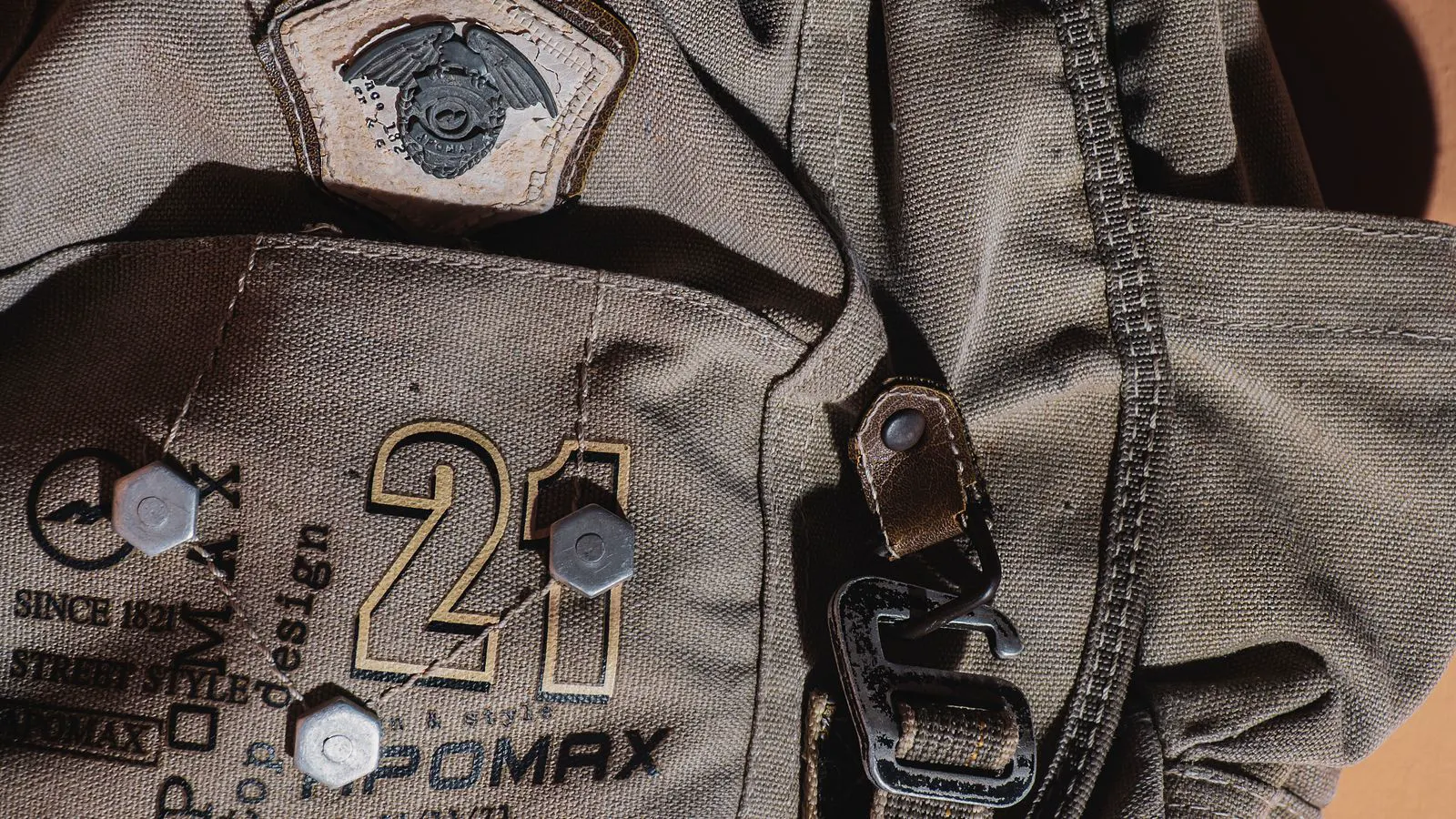
A grommet is a small tube, often metal or plastic, inserted through a hole in fabric or leather to protect the opening. In backpack construction, grommets sit at the attachment points where straps meet the body, or where buckles and adjusters slide through webbing. They take the load and prevent the strap from tearing at the hole edges.
The term covers several forms. Solid metal grommets are pressed into pre-cut holes. Split grommets, also called eyelets, have two halves that clamp together. Some designs include flanges or washers that spread the load across a wider area. The choice among these forms changes how the strap holds up under repeated tension.
Buyers often assume all grommets perform the same. They do not. The material, diameter, wall thickness, and finish all influence how the strap behaves over time. A grommet that works fine for a daily commuter bag may fail quickly on a heavy hiking pack. Sourcing the wrong type leads to returns, field repairs, and brand damage.
How Grommet Materials Affect Durability
Material selection is the first decision. Brass, aluminum, stainless steel, and nylon are the most common choices. Each brings different trade-offs.
Brass is the traditional choice for durable bags. It resists corrosion well, especially in salt air or high humidity. Brass also holds its shape under sustained load. It is used on premium backpacks, military-style gear, and outdoor packs that see rough handling. The cost is higher than aluminum, but the lifespan often justifies it.
Aluminum is lighter and cheaper. It works well for fashion bags and lightweight daypacks where weight matters more than extreme durability. Aluminum does not rust, but it can dent or wear down if the strap slides heavily against the grommet over years. For bags with frequent buckle movement, aluminum may need replacement sooner than brass.
Stainless steel is strong and corrosion resistant. It is often used where high strength is needed, such as heavy-duty straps or industrial bags. The downside is that stainless can be harder to form into fine details and may be more expensive than brass. It also conducts cold differently, which matters little for bags but shows up in tactile feel.
Nylon grommets are flexible and lightweight. They suit low-stress applications, such as decorative openings or small webbing loops. They bend instead of cracking, which is useful for bags that fold or compress. However, they wear out faster under continuous tension and can stretch over time, loosening the fit.
The table below summarizes the main trade-offs.
| Grommet Material | Durability | Weight | Corrosion Resistance | Typical Use |
|---|---|---|---|---|
| Brass | High | Moderate | High | Premium backpacks, outdoor gear |
| Aluminum | Moderate | Low | Moderate | Fashion bags, lightweight daypacks |
| Stainless Steel | Very High | Moderate | High | Heavy-duty or industrial bags |
| Nylon | Low to Moderate | Very Low | High | Decorative or low-stress applications |
No single material wins every scenario. Brass remains the default for serious backpacks because it balances strength, corrosion resistance, and cost. Aluminum is the go-to when weight savings are the priority. Nylon is a budget option for features that do not carry heavy loads.
How Grommet Size Determines Load Distribution
Size is often overlooked. A grommet that is too small concentrates stress on a narrow ring of fabric. A grommet that is too large can allow the strap to shift, creating uneven wear and a sloppy fit.
The diameter of the grommet relative to the strap width matters. A good rule is that the grommet should cover enough of the strap edge to prevent the webbing from cutting itself. If the grommet is much smaller than the strap, the fabric around the hole takes the brunt of the force. If it is much larger, the strap may move inside the tube, causing friction and noise.
Wall thickness also plays a part. A thin-walled grommet may deform under high load, especially in aluminum or nylon. A thicker wall holds its shape better but can be harder to install cleanly. For straps that carry heavy loads, a grommet with a flange or washer helps spread the force across more fabric. This reduces the risk of the hole tearing open.
Size choices also affect assembly. Larger grommets require wider holes, which can weaken the strap if not reinforced with a patch or bar-tacked seam. Smaller grommets are easier to install but offer less protection. Buyers should specify both the outer diameter and the inner opening, not just a general size label.
How Surface Finish Changes Performance
Finish is not just cosmetic. It affects how the grommet interacts with the environment and with the user’s hands.
Polished finishes look clean but show scratches and fingerprints easily. They are common on fashion bags. Matte or brushed finishes hide wear better and feel less slick in the hand. This matters for straps that users grip repeatedly.
Corrosion-resistant finishes matter in coastal or wet environments. Brass can be left to patina, which is acceptable for some brands. For others, a clear coat or plating prevents discoloration. Aluminum often has an anodized finish that adds color and hardness. Stainless steel is usually polished or brushed.
The finish also influences how the grommet ages. A poorly finished grommet may tarnish, rust, or chip. This can look unprofessional and signal poor quality, even if the structural integrity is still fine. For B2B buyers, finish consistency across batches is a key quality check. A single dark spot on a polished brass grommet can be a rejection reason.
How Grommet Type Affects Sourcing Decisions
When sourcing hardware, buyers should ask about grommet types in specific terms. Vendors may use different names for similar parts. A “brass eyelet” may be a solid grommet or a split eyelet. Clarifying the form avoids receiving the wrong item.
Specification sheets should include the material, diameter, wall thickness, finish, and installation method. Some grommets are riveted, some are pressed, and some are glued. Each method has a different failure mode. Riveted grommets can loosen if the rivet head deforms. Pressed grommets rely on the material’s grip. Glued grommets depend on adhesive strength, which can weaken with heat or moisture.
Suppliers often offer standard sizes, but custom grommets are available for special strap widths or brand requirements. Custom work increases lead time and minimum order quantity. Buyers should decide early whether a standard grommet meets the design needs or if a custom part is required.
Cost differences are usually modest compared to the cost of the bag itself. A brass grommet costs more than a nylon one, but the difference is small relative to labor and materials. The real cost is in reliability. A grommet that fails early can lead to warranty claims, returns, and negative reviews. Choosing the right type up front saves money later.
Worked Example: Choosing Grommets for a Hiking Backpack
Consider a backpack designed for day hikes. The straps carry a load of several kilograms. The user may carry the bag over rough terrain, in rain, and in salt air. The straps are made of 2-inch webbing with a bar-tacked edge.
For this application, brass grommets are the best fit. They resist corrosion from rain and salt. They hold their shape under the weight of the pack. A diameter of around 12 to 15 millimeters is typical for a 2-inch strap, though the exact size depends on the grommet manufacturer’s standard. The finish should be matte or brushed to hide scratches from rocks and branches. A flanged grommet is preferable because it spreads the load across the webbing edges.
If the same backpack were designed for a city commute with lighter loads, aluminum grommets could be acceptable. They are lighter and cheaper. The finish could be polished for a cleaner look. However, the buyer should accept that aluminum may wear faster and may need replacement sooner.
If the bag were a lightweight fashion daypack, nylon grommets might be used on small decorative openings. They are light and flexible. They are not suitable for main load-bearing straps.
This example shows how the intended use drives the grommet choice. The same strap width can take very different hardware depending on the bag’s purpose. Sourcing decisions should start with the use case, not the budget.
How to Verify Grommet Quality Before Production
Before approving a sample, check the grommet for several things. The hole should be clean, with no frayed edges or torn webbing. The grommet should sit flush with the strap surface. It should not spin or rattle. The finish should be even, with no pits or scratches.
Run a pull test. Gently pull on the strap in different directions. The grommet should not shift or loosen. If the strap moves inside the grommet, the size may be wrong or the wall too thin. If the grommet bends or dents, the material may be too soft for the load.
Check the installation method. If the grommet is riveted, the rivet head should be flat and secure. If it is pressed, the material should grip the strap without tearing. If it is glued, the adhesive should be clean and not oozing out.
Request a material certificate if the supplier claims brass or stainless steel. This helps verify the alloy content. For critical applications, a small batch of test grommets should be installed on scrap straps and subjected to a simple durability test. Pull, twist, and expose to humidity. This catches defects before mass production.
A grommet is a small part, but it is a high-wear point. Getting the type right is one of the easiest ways to improve bag durability without changing the design or the cost structure significantly.
Frequently asked questions
Which grommet material is best for heavy-duty backpacks?
Brass is the most common choice for heavy-duty applications. It resists corrosion and holds its shape under load. Stainless steel is also suitable where maximum strength is needed.
Can aluminum grommets be used for outdoor bags?
Yes, but they wear faster than brass under high friction. They are better for lightweight bags or indoor use. If the bag will see heavy daily use, brass is a safer choice.
How do I know if a grommet is the right size for my strap?
The grommet should cover enough of the strap edge to prevent cutting. If the strap moves inside the grommet, it is too large. If the fabric tears around the hole, it is too small. Test with a sample.
Does the finish affect how long a grommet lasts?
Yes. A poor finish can chip or corrode, leading to visible defects even if the structure is still sound. A good finish resists tarnishing and hides wear better.
Should I specify grommet type in my purchase order?
Yes. Specify the material, diameter, wall thickness, finish, and installation method. Do not rely on generic terms like "metal grommet." Clear specifications prevent receiving the wrong part.